
We’re Open! 2:59:21PM | Available 24 hours 7 days

Gas Leak at Home? Here’s What to Do Right Now | The Gas Doctor

Gas Leak at Home? Here’s What to Do Right Now.

Gas emergency — act immediately

If you can smell gas right now: do not touch any switches. Extinguish all flames. Turn off the gas at the meter, open doors and windows, get everyone out, and call from outside.

The Gas Doctor: 0488 800 693 — 24/7  |  Life-threatening emergency: 000  |  Gas network emergency: 1800 427 532

Natural gas is one of the most widely used energy sources in Melbourne homes. It heats water, powers cooktops, runs gas heaters, and keeps the house warm through winter. Most of the time it works without a problem. But when something fails, a gas leak can go from invisible to life-threatening in minutes.

This guide covers everything Melbourne homeowners need to know: how to recognise a gas leak, what to do the moment you suspect one, what causes leaks, and how to prevent them. The Gas Doctor specialises in gas fitting — it’s not a sideline service. When there’s a gas problem in your home, this is what we do.


How Do You Know If You Have a Gas Leak?

Gas leaks don’t always announce themselves with a dramatic smell. Some are slow and subtle. Knowing what to look, listen, and feel for gives you the best chance of catching a problem before it escalates.

Smell

Rotten egg or sulphur odour

Natural gas is odourless. Gas providers add mercaptan — a chemical that smells like rotten eggs — specifically so you can detect leaks. Even a faint whiff near your stove, heater, or meter is enough to act.

Sound

Hissing or whistling near pipework

Melbourne’s residential gas pressure runs between 1.1 kPa and 2.75 kPa — low enough that you often won’t hear a leak at all. But an audible hiss near a fitting, appliance, or pipe is a serious warning sign that should not be dismissed.

Sight

Dead grass, yellow flames, or condensation

Underground gas leaks displace oxygen in the soil, causing patches of grass or plants to die for no obvious reason. Indoors, look for yellow or orange flames on your cooktop (healthy gas burns blue), soot marks around appliances, or excess condensation on windows.

Feel

Physical symptoms indoors

Headaches, dizziness, nausea, fatigue, or difficulty breathing that improves when you leave the property and returns when you come back — these can be signs of prolonged gas exposure. Pets often show symptoms before people do.

One more sign that is often missed

An unexplained spike in your gas bill with no change in usage is worth investigating. A slow leak you can’t smell — particularly in an area with good ventilation — can increase your consumption significantly over weeks or months before you notice it any other way.


What to Do If You Suspect a Gas Leak

Speed matters. The actions you take in the first two minutes determine how dangerous the situation gets. Work through these steps in order.

  1. Do not touch any electrical switches Do not turn lights on or off. Do not press a doorbell. Do not use a torch or your phone inside the property. Any spark — even from a light switch — can ignite accumulated gas. Leave everything as it is.
  2. Extinguish all naked flames immediately Candles, cigarettes, pilot lights you can see — put them out without using anything electrical. Do not strike a match or use a lighter under any circumstances.
  3. Turn off the gas at the meter The gas meter is usually located near the front corner of your property, often on the side of the house. The shutoff valve is a lever or wheel on the incoming pipe. Turn it so it sits perpendicular to the pipe (off position). If you can’t find it or it won’t turn, skip this step and move on — do not delay evacuating.
  4. Open doors and windows to ventilate Only do this if it doesn’t require you to operate electrical switches. Opening windows allows accumulated gas to disperse. Do this quickly as you move toward the exit — don’t stop to ventilate every room.
  5. Get everyone out — people and pets Evacuate the property. Don’t stop to collect belongings. Leave the front door open as you go. Move well away from the building and stay upwind. Do not re-enter under any circumstances until a licensed professional has cleared the property.
  6. Call from outside Once you’re safely away from the property, call The Gas Doctor on 0488 800 693. If you believe you or anyone else is in immediate danger, call 000 first. If the leak appears to be from the main supply or street infrastructure, also call Australian Gas Networks on 1800 GAS LEAK (1800 427 532).
Never do this Do not attempt to locate or fix the leak yourself. Do not re-enter the property to retrieve belongings. Do not use a gas detector app on your phone — doing so means using your phone inside, which creates a spark risk. Wait for a licensed gas fitter to clear the property before you go back in.

Gas Leak: What to Do and What Not to Do

A clear reference for the moment you suspect a leak.

Do
  • Stay calm and act quickly
  • Turn off gas at the meter if safe
  • Open windows and doors as you leave
  • Get everyone out, including pets
  • Call from outside the property
  • Wait for a licensed professional to clear it
  • Call 000 if anyone feels unwell
Don’t
  • Touch any light switches or electrical items
  • Use your phone inside the property
  • Smoke or use a lighter or match
  • Try to find the leak yourself
  • Attempt any DIY repair
  • Re-enter before the all-clear is given
  • Assume the smell will go away on its own

What Causes Gas Leaks in Melbourne Homes?

Most gas leaks don’t happen randomly. There’s almost always an underlying cause — and in many cases it’s one that proper maintenance could have caught first.

  • Ageing or corroded pipework Melbourne’s older housing stock — particularly homes built before the 1980s — often has gas pipes that are simply past their safe service life. Corrosion thins pipe walls gradually until fittings loosen or the pipe itself fails.
  • Clay soil movement Melbourne’s soils shrink in drought and swell with rain. This seasonal movement stresses rigid underground gas lines and connection points, particularly in older suburbs and properties on slopes. It’s a local factor that experienced gas fitters here know well.
  • Worn or faulty appliances Gas cooktops, heaters, and hot water systems all have seals, valves, and connections that wear over time. A heater that hasn’t been serviced in several years is a common source of slow leaks from deteriorating components.
  • Accidental damage during renovations Drilling, digging, or cutting through walls without knowing where gas lines run is a leading cause of sudden leaks. Any renovation near gas infrastructure requires a licensed professional to mark and protect pipework first.
  • Poor or non-compliant installation Gas work done by unlicensed tradespeople — or by homeowners attempting DIY — is a significant risk. In Victoria, all gas fitting work must be done by a licensed gas fitter and certified on completion. Work without a Certificate of Compliance is both illegal and uninsured.
  • Impact damage to the meter or external fittings Vehicles, lawnmowers, landscaping equipment, and even fence installation can damage external gas lines and meter connections. An impact that looks minor on the outside can stress fittings enough to create a slow leak.

Can You Smell Gas But Can’t Find Where It’s Coming From?

This is more common than most people expect. Gas can travel through wall cavities, subfloor spaces, and soil before surfacing somewhere entirely different from its source. You might smell it in the kitchen but the leak is in the meter box outside. You might smell it in one bedroom but it’s coming from a fitting under the house.

This is exactly why you do not investigate a gas leak yourself. Even a licensed plumber does not try to locate a leak by smell alone. The correct method is pressure testing — isolating sections of the gas system and checking for pressure loss to pinpoint the source with precision. Electronic gas detectors then confirm the exact fitting or pipe section involved.

Attempting to sniff it out by leaning close to fittings or checking valves is dangerous. It also doesn’t work. The smell of mercaptan lingers long after the source is isolated, which means your nose cannot tell you where the leak is or whether it is still active.

If you smell gas anywhere in or around your property, the response is the same regardless of whether you can identify the source: evacuate, shut off the meter, and call a licensed gas fitter.


Victorian Regulations: What Homeowners and Landlords Need to Know

Victorian regulatory requirements Under Victorian regulations, all gas fitting and repair work must be carried out by a licensed gas fitter. Every job — no matter how small — should result in a Certificate of Compliance, which provides a 7-year workmanship guarantee and confirms the work meets Australian Standards.

For homeowners, there is no mandated inspection frequency, but annual servicing of gas appliances is strongly recommended. The cost of a service visit is far less than the cost of an emergency repair or the risk of an undetected slow leak.

For landlords and property managers, the obligation is more specific. Victorian rental regulations require gas safety checks to be completed at least every two years. This includes all gas appliances on the property: heaters, hot water systems, cooktops, and any other gas-connected equipment. A failure to comply exposes landlords to liability if a tenant is harmed.

If you’re buying a property with an existing gas system and don’t know when it was last inspected, a pre-purchase gas safety check is a straightforward way to find out what you’re taking on before settlement.


How to Prevent Gas Leaks

Most gas leaks are preventable. The steps below aren’t complicated, and most of them cost very little relative to the alternative.

  • Have gas appliances serviced annually. Heaters, hot water systems, and cooktops all have components that wear over time. A service visit catches deterioration before it becomes a leak. If you can’t remember the last time your heater was serviced, that’s your answer.
  • Know where your gas meter shutoff is. Find it now, not during an emergency. The meter is usually near the front corner of your property. Make sure the valve isn’t rusted or obstructed, and that every adult in the household knows where it is and how to use it.
  • Never dig or drill near gas lines without checking first. Call Dial Before You Dig (1100) before any excavation, fence post, or landscaping work near where gas lines might run. It’s free and takes minutes.
  • Use only licensed gas fitters for all gas work. Connecting a new cooktop, relocating a gas outlet, installing a heater — all of this requires a licensed gas fitter and a Certificate of Compliance. No exceptions. Unlicensed work voids insurance and puts your household at risk.
  • Install a carbon monoxide alarm near gas heaters and in sleeping areas. Carbon monoxide is produced by incomplete combustion in faulty gas appliances. It’s colourless and odourless, which means mercaptan won’t help you here. A CO alarm is an inexpensive, potentially life-saving addition to any home with gas appliances.
  • Watch your gas bill. A sudden increase with no change in habits is worth investigating. It’s often the first detectable sign of a slow leak that hasn’t produced a noticeable smell yet.
  • Act on the early warning signs — don’t wait. A pilot light that keeps going out, an orange or yellow flame on the cooktop, a gas smell that comes and goes — these are all signs that something needs attention. A “wait and see” approach with gas is never the right call.

Smell gas in Melbourne? We’re on our way.

The Gas Doctor responds 24 hours a day, 7 days a week. Licensed gas fitters, expert leak detection, and all gas work certified to Australian Standards.


Frequently Asked Questions

What does a gas leak smell like?
Natural gas itself has no smell. Gas network providers add a chemical called mercaptan specifically so leaks can be detected. Mercaptan smells like rotten eggs or sulphur. Even a faint trace of this smell near a gas appliance, pipe, or meter should be taken seriously. If you smell it, act as if there is a confirmed leak — do not wait to see if it gets stronger.
What should I do first if I smell gas at home?
Do not touch any electrical switches. Do not use your mobile phone inside. Extinguish any open flames. Turn off the gas at the meter, open doors and windows as you move toward the exit, and get everyone out of the property. Once you’re outside, call The Gas Doctor on 0488 800 693. If anyone is feeling unwell or you believe there is immediate danger, call 000 first.
Can a gas leak make you sick?
Yes. Exposure to leaking natural gas can cause headaches, dizziness, nausea, fatigue, and difficulty breathing. In enclosed spaces with a significant leak, it can cause unconsciousness. A key indicator: if these symptoms improve significantly when you leave the property and return when you come back inside, gas exposure may be the cause. Pets often show symptoms before adults do. Seek medical attention if anyone has been exposed.
Who do I call for a gas leak in Melbourne?
Call The Gas Doctor on 0488 800 693 — available 24/7 across Melbourne. If the situation is immediately dangerous, call 000 first. If you believe the leak is in the main gas supply line or street infrastructure rather than your internal system, call Australian Gas Networks on 1800 GAS LEAK (1800 427 532) — they will dispatch an engineer within one to two hours to make the supply safe, though they do not repair internal home pipework.
Can I repair a gas leak myself?
No. In Victoria, all gas fitting work must be performed by a licensed gas fitter. Attempting to repair a gas leak yourself is illegal, voids your home insurance, and is genuinely dangerous. Even tightening a fitting requires understanding the correct torque, thread pitch, and sealant — and every connection must be pressure-tested before it can be considered safe. A licensed gas fitter will also issue a Certificate of Compliance, which protects you legally and financially.
How often should gas appliances be serviced?
Annual servicing is the standard recommendation for all gas appliances in Australian homes. For landlords and property managers in Victoria, gas safety checks are legally required at least every two years. If you can’t remember the last time your heater, hot water system, or cooktop was inspected, it’s overdue. A service visit costs a fraction of the expense of an emergency repair or appliance replacement — and far less than the cost of a gas-related incident.
Burst Hot Water System? Here’s What to Do | The Gas Doctor

Your Hot Water System Just Burst. Here’s What to Do.

A burst hot water system releases everything in the tank in a matter of minutes. That can be 160 to 400 litres of scalding water flooding your laundry, bathroom, or garage. It damages floors, walls, and belongings. It can create electrical hazards. And if it’s a gas system, there’s a gas supply that needs to be dealt with safely.

The good news: a few fast, correct actions limit the damage significantly. Here’s exactly what to do, why this happens, and when to call us.


Is It Actually a Burst, or Just a Leak?

It’s worth knowing what you’re dealing with before you do anything else. The response is the same either way, but understanding the situation helps you explain it clearly when you call.

  • Full tank burst: Water pooling rapidly across the floor, the tank is visibly wet all over or cracked, significant loss of pressure throughout the home. This is a full failure.
  • Valve or fitting failure: A slow, steady drip from the pressure relief valve or a connection point. Still needs attention, but not always an immediate flood situation.
  • Burst pipe on the system: A hot water pipe connected to the unit has split. Water may be spraying or streaming from a pipe rather than the tank body itself.

All three require a licensed plumber. A full tank burst requires immediate action. If you’re not sure which situation you have, treat it as the worst case and act accordingly.


What to Do Right Now — Step by Step

Work through these in order. Don’t skip steps to get to the next one faster.

  1. Turn off the cold water isolation valve This valve is usually located on the cold water pipe running into the top or side of the unit. Turn it clockwise until it stops. If you can’t find it or it won’t budge, go straight to the main stop valve at the front of your property (usually near the boundary or under the front garden).
  2. Shut off the gas or power supply Gas system: turn the gas valve at the base of the unit, or at the gas meter. Electric system: go to your switchboard and turn off the circuit breaker for the hot water. Do not leave either running with water flooding around the unit.
  3. Stay well clear of the water Water in a burst system stays scalding for far longer than you’d expect. Do not wade through it barefoot. If water is near power points, skirting boards, or running under flooring, do not enter the area. Keep children and pets out entirely.
  4. Contain the water if it is safe to do so Roll towels against doorways to slow the spread. If you can safely direct water away from walls and cabinetry with a mop or squeegee, do it. The priority is keeping water out of wall cavities and away from flooring that will absorb it quickly (timber, particleboard).
  5. Document everything before you clean up Take timestamped photos and video of the unit, the pooling water, and any visible damage from multiple angles. This is essential evidence for your insurance claim. Do not move or remove anything until you have documented it.
  6. Call a licensed emergency plumber Call The Gas Doctor on 0488 800 693. We’re available 24 hours a day, 7 days a week across Melbourne. A burst hot water system is a priority job.
Safety first If you smell gas at any point, do not use any light switches or electrical appliances. Leave the property immediately, leaving doors open as you go. Call your gas network provider from outside the property, then call us.

Why Do Hot Water Systems Burst?

Hot water systems don’t fail without reason. In most cases, the warning signs were there weeks or months beforehand. Here are the most common causes.

  • Corrosion The tank corrodes from the inside out. Once the wall has thinned enough, it fails. Melbourne’s water supply and older housing stock accelerate this process in some areas. A sacrificial anode rod inside the tank is supposed to slow corrosion — but it needs replacing every three to five years. Most homeowners have never heard of it.
  • Sediment buildup Minerals from the water supply settle at the base of the tank. Over time this layer insulates the element or burner, causes overheating, and creates pressure spikes that stress the tank walls and fittings.
  • Failed TPR valve The temperature and pressure relief valve is the system’s safety release. If it fails or gets stuck, pressure builds inside the tank with nowhere to go. In extreme cases this is what causes a tank to rupture suddenly rather than leak slowly.
  • Age Most Australian hot water systems are built to last 10 to 15 years. Once a tank is past that window, risk of failure climbs sharply. If you don’t know how old yours is, that alone is a reason to have it inspected.
  • Excessive water pressure High mains pressure puts the entire system under constant stress. Melbourne’s mains pressure can exceed the safe operating range for some units. A pressure limiting valve prevents this, but not every property has one correctly set.
  • Poor installation or missed servicing A system installed without proper compliance checks, or one that has never been serviced, wears out faster. The consequences aren’t always gradual — sometimes a component fails suddenly because it was never inspected.

Can a Burst Hot Water System Be Repaired?

It depends on what failed.

If the tank itself has ruptured — the cylinder has cracked or corroded through — there is no repair. Australian plumbing standards do not permit patching or welding a failed tank, and no reputable plumber will offer it. The unit needs to be replaced.

If the failure is in a component — a faulty TPR valve, a burst pipe connection, a failed fitting — that can often be repaired without replacing the whole unit. But that call can only be made on-site by a licensed plumber who has assessed the condition of the tank itself.

When we arrive, we give you a written quote on-site before any work starts. No surprises.


Choosing a Replacement: What Are Your Options?

If the tank needs replacing, you don’t have to go back to what you had. Replacement is actually an opportunity to choose a system better suited to your household. Here’s what’s available.

Gas Storage

A traditional storage tank heated by gas. Reliable, cost-effective to run, and familiar. A solid like-for-like replacement if continuous flow isn’t suitable for your property.

Electric Storage

Works on any property, no gas connection required. Generally higher running costs than gas, but straightforward to install and maintain.

Heat Pump

Uses ambient air to heat water, similar to how a reverse-cycle air conditioner works. Significantly lower running costs. Higher upfront cost, but Victorian government rebates can reduce this substantially.

What about Victorian government rebates?

Victorian Energy Upgrade rebates — 2026 Victorian homeowners upgrading to an eligible heat pump or solar hot water system may be eligible for up to $1,000 through the Solar Homes hot water rebate, and additional savings through the Victorian Energy Upgrades (VEU) program. Combined, eligible households can save up to $1,560 off the upfront cost. Check your eligibility at solar.vic.gov.au or ask us when we attend your property.

One important note for Melbourne gas hot water households: from 1 March 2027, Victorian regulations will require that gas hot water systems that fail and cannot be repaired must be replaced with electric alternatives in most cases. If your system is ageing, now is the best time to review your options while the full rebate window is open.


Will Insurance Cover a Burst Hot Water System?

Often, yes — but with an important distinction.

Home and contents policies commonly cover the water damage caused by the burst: damaged flooring, walls, cabinetry, and belongings. The failed appliance itself may or may not be covered depending on your policy and the cause of failure. Sudden failure is more likely to be covered than gradual wear, which is why the assessment matters.

To give your claim the best chance:

  • Take timestamped photos and video before you clean up anything.
  • Note the approximate age of the system and its brand if visible.
  • Do not dispose of the old unit until your insurer has assessed it (or given you the all-clear).
  • Contact your insurer as soon as possible — many have time requirements for reporting water damage.

The Gas Doctor can provide written documentation of what failed and the condition of the unit at the time of our assessment. This is typically what an insurer or assessor will ask for to support a claim.


How to Stop It from Happening Again

Most burst hot water systems don’t fail without warning. A basic maintenance routine catches the early signs before they become an emergency.

  • Annual servicing: A licensed plumber checks valves, fittings, and the general condition of the unit. Most problems are inexpensive to fix when caught early.
  • Anode rod inspection every three to five years: This is the single most effective thing you can do to extend the life of a storage tank. When the anode rod is depleted, the tank corrodes. Most homeowners don’t know it exists. Budget around $150 to $200 for a check and replacement — it’s the cheapest insurance available against a burst tank.
  • TPR valve test once a year: Your plumber can lift and release the lever briefly to confirm it’s not stuck. A seized TPR valve is a silent risk.
  • Flush the tank annually: Removes sediment buildup before it causes overheating or pressure problems.
  • Check your mains pressure: If you don’t have a pressure limiting valve, or haven’t had it checked, ask us to test it during a service visit.
  • Know how old your system is: If it’s past the 10-year mark, start budgeting for a replacement — on your terms, not after a failure forces the issue.

Hot water emergency in Melbourne? We’re on our way.

The Gas Doctor responds 24 hours a day, 7 days a week. Licensed gas fitters and plumbers, on-site written quotes, same-day replacement for most systems.


Frequently Asked Questions

What should I do if my hot water system bursts?
Turn off the cold water isolation valve at the unit, then shut off the gas supply (for gas systems) or the circuit breaker (for electric systems). Stay clear of the hot water — it remains scalding long after the energy source is off. Document the damage with photos before cleaning up, and call a licensed plumber immediately. Call The Gas Doctor on 0488 800 693 any time, day or night.
Can a burst hot water tank be repaired?
If the tank cylinder itself has ruptured, no. Australian plumbing standards require full replacement — there is no approved repair for a failed tank wall. However, if a valve, fitting, or connected pipe caused the problem, those components can often be replaced without touching the tank. A licensed plumber will assess this on-site and advise you before any work begins.
How long does it take to replace a hot water system in Melbourne?
Most replacements are completed the same day for common models. Where a specific unit needs to be ordered in, we can usually arrange a temporary hot water solution so your household isn’t left without it in the meantime. When we attend, we’ll give you a timeline upfront.
Does insurance cover a burst hot water system?
Home and contents insurance commonly covers water damage to your property caused by the burst — floors, walls, cabinetry, and belongings — even when the failed appliance itself is excluded. Document everything with timestamped photos before you clean up, and contact your insurer as soon as possible. The Gas Doctor can provide written documentation of what failed and the condition of the unit to support your claim.
Are there Victorian government rebates when replacing a hot water system?
Yes. Victorian homeowners upgrading to an eligible heat pump or solar hot water system may be eligible for rebates of up to $1,000 under the Solar Homes program, plus additional savings through the Victorian Energy Upgrades (VEU) program. Combined savings of up to $1,560 are possible for eligible households. Check eligibility at solar.vic.gov.au. Ask us about eligible products when we attend your property.
How do I know if my hot water system is about to fail?
Common warning signs include rusty or discoloured hot water, water pooling or damp ground under the unit, staining on the wall behind the tank, banging or rumbling noises during heating, and inconsistent water temperatures. If your system is more than 10 years old, it’s worth scheduling an inspection before a failure forces the decision for you.
Off Peak Hot Water Explained: Is It Still Worth It in 2026? | The Gas Doctor
Hot Water

Off Peak Hot Water Explained: Is It Still Worth It in 2026?

If you’ve ever stepped into a cold shower at 7pm and wondered why, chances are you’re on an off-peak hot water tariff. The system did exactly what it was designed to do: it heated your water overnight and stored it. You just used it all. This guide explains how off-peak hot water works, what you can actually do about it when it runs out, and whether it still makes sense for a Melbourne home in 2026.

What Is Off Peak Hot Water?

Off peak hot water is an electric storage hot water system connected to a dedicated circuit in your home’s switchboard. Instead of drawing power at any time of day, this circuit only activates during off-peak periods when electricity is cheaper, typically overnight.

During that window, the heating element inside the tank brings the full tank up to temperature. That stored hot water then sits in the insulated tank and is drawn down as you use it throughout the day. Once it’s gone, it’s gone until the next overnight cycle.

The financial logic was straightforward: heat water using cheap overnight electricity, avoid paying peak rates during the day. For decades, it worked well for most households. The question in 2026 is whether that logic still holds.

What Time Does Off Peak Hot Water Come On?

Off peak hot water typically activates between 10pm and 7am in Victoria, though the exact window varies by electricity distributor and tariff. Some networks run an 11pm to 7am window. A few tariffs include a second shorter window in the early morning.

Typical Off-Peak Windows by State

Victoria (Citipower / Powercor)
10pm to 7am
NSW (Ausgrid)
10pm to 7am
NSW (Endeavour Energy)
11pm to 7am
QLD (Energex / Ergon)
10pm to 7am (varies)

Times are approximate. Check with your energy retailer or network distributor for the exact schedule on your property.

The switching is fully automated. Your distributor sends a control signal (called a ripple control signal on older networks, or a smart meter command on newer ones) that activates the off-peak circuit. You don’t manually switch it on, and you can’t move the window.

This is also where the term “Off Peak 1” and “Off Peak 2” comes from. Some properties have two separate off-peak circuits that activate at different windows overnight, allowing larger households to heat more water across a broader overnight period.

How Does an Off Peak Hot Water System Work?

The system has three main components working together:

  1. The storage tank: A heavily insulated cylinder, typically 125 to 400 litres, that holds the heated water. The insulation keeps the water hot for many hours after heating, though it does gradually lose temperature overnight.
  2. The heating element: An electric resistance element inside the tank, similar to a kettle. When the off-peak circuit activates, the element heats the water to the set temperature (usually 60–65°C to prevent bacterial growth).
  3. The off-peak circuit in your switchboard: A dedicated circuit breaker labelled “Hot Water” or “Off Peak HWS” in your fuse box. This is the circuit that the distributor controls remotely. It is separate from your main power supply and only receives power during the off-peak window.
The fuse box switch: If you look in your switchboard and see a separate breaker labelled “Hot Water” or “HWS”, that is the off-peak circuit. The boost switch (if your system has one) bypasses this and connects the element to your standard tariff circuit temporarily.

Can You Override an Off Peak Hot Water System?

Yes. Most off-peak storage systems include a manual boost function that allows you to heat the tank during daylight hours when you’ve run out. The boost can be in one of two places:

  • On the switchboard: A separate switch labelled “Boost” or “Peak HWS” next to the off-peak breaker.
  • On the unit itself: Some models have a boost button or switch mounted directly on the tank.

When you activate the boost, the heating element connects to your standard electricity circuit and reheats the tank at the regular (higher) tariff rate. It typically takes 1 to 3 hours to reheat a full tank, depending on tank size and element wattage.

Watch your running costs: Using the boost regularly eliminates the cost saving the off-peak tariff was designed to provide. If you’re hitting the boost more than once a week, the economics of your off-peak system have already broken down. It’s also a signal that the system is undersized or the household’s demand has grown beyond what one overnight cycle can supply.

One firm rule: never attempt to rewire, modify, or bypass the off-peak circuit yourself. The off-peak switchboard wiring is a licensed electrician’s domain. The boost switch is safe to use as designed. Everything else requires a qualified tradesperson.

Regularly relying on the boost? That’s a sign the system isn’t keeping up. Talk to The Gas Doctor about whether a different system suits your household better.

Is Off Peak Hot Water Still Worth It in 2026?

The honest answer is: it depends on your household, but for many Melbourne homes the answer has shifted from yes to no over the past few years.

Here’s why the picture has changed:

  • Electricity prices have risen substantially. The margin between off-peak and peak tariff rates has narrowed in real terms for many Victorian households, reducing the saving that made off-peak systems attractive in the first place.
  • Household demand has changed. More people working from home, larger families, adult children staying home longer: all of these increase hot water usage beyond what a single overnight cycle was sized to supply.
  • Solar panels don’t benefit off-peak systems. If you have rooftop solar, your panels generate electricity during the day. An off-peak system heats overnight, completely outside your solar generation window. You don’t capture any of that free daytime energy.
  • Time-of-use tariff restructuring in Victoria has shifted the off-peak advantage for some distributors, particularly for those who switched to smart meters after 2022.
Off peak still works well when…
  • Small household (1–2 people)
  • Low, predictable daily hot water use
  • Tank is correctly sized and less than 8 years old
  • You never need to boost
  • No solar panels on the roof
It may no longer be the right fit if…
  • You regularly run out before 7pm
  • You boost the system more than occasionally
  • Household size has grown since installation
  • You have or are planning rooftop solar
  • The tank is over 10 years old

Off Peak Hot Water vs Gas Hot Water: What’s the Difference?

If you’re weighing up whether to stick with off-peak electric or move to gas, this is the comparison that matters. Neither system is universally better. The right choice depends on your household’s actual usage and what’s already connected to your property.

Feature Off Peak Electric Gas Hot Water
Heating schedule Overnight only (tariff-controlled) On demand / continuous — any time of day
Hot water availability Limited to stored tank volume Continuous flow: unlimited. Storage: larger capacity typical
Running cost Lower per kWh overnight; costly if boosting Stable gas tariff, independent of electricity peak/off-peak
Solar compatibility None — heats at night, not during solar generation Gas operates independently of solar
Upfront cost Lower (existing infrastructure) Higher if new gas connection required
Lifespan 10–15 years (storage tank) 8–12 yrs (storage) / 15–20 yrs (continuous flow)
Grid dependency Fully dependent on electricity network Independent of electricity tariff schedules

The most important practical difference for most households is availability. Gas hot water — particularly continuous flow systems — does not have a storage limit. You cannot run out mid-shower. Off-peak electric is always working against a finite tank that won’t refill until after 10pm.

If your household’s hot water demand is consistently exceeding what one overnight cycle can store, that problem doesn’t have an off-peak solution. You would need to either upsize the tank (costly, and still limited) or move to a system that heats on demand.

How to Switch from Off Peak Hot Water to Gas

If your gas is already connected to the property, switching from off-peak electric to gas hot water is a straightforward job for a licensed gas plumber. Here’s how the process works:

  • 1
    Assessment

    A licensed gas plumber inspects your property: confirms gas supply is available, checks where the unit will be installed, and recommends the right system type and size for your household.

  • 2
    Choose your system

    Storage gas (best for households with consistent, predictable demand) or continuous flow gas (best for households with variable or high demand). Brands include Rinnai, Rheem, Dux, Bosch, and Thermann.

  • 3
    Installation

    The old electric unit is decommissioned and removed. The new gas unit is installed and connected. A licensed electrician removes the now-redundant off-peak circuit from the switchboard.

  • 4
    Notify your energy retailer

    Once the off-peak circuit is removed, contact your electricity retailer to remove the off-peak tariff from your account. This prevents you continuing to be billed for a circuit that no longer exists.

Gas not connected to your property? If your home doesn’t currently have a gas connection, one can usually be arranged through your local gas distributor before installation. This adds a step and some lead time, but it’s a well-established process. The Gas Doctor can advise on the specific steps for your Melbourne suburb.

Hot Water System Repairs and Servicing in Melbourne

The Gas Doctor services all types of hot water systems across Melbourne, including off-peak electric systems that have stopped heating, tanks that have failed, and households considering a switch to gas.

If your off-peak system has broken down overnight and you need hot water today, same-day service is available. If you want an honest assessment of whether your current system is still worth repairing or whether gas hot water makes more financial sense for your home, that conversation is available too.

The team works across all major brands including Rheem, Rinnai, Bosch, Dux, Thermann, and Vulcan. Available 24 hours a day, seven days a week across Melbourne and surrounds.

Frequently Asked Questions

What is off peak hot water?

Off peak hot water is an electric storage system that heats water during low-cost overnight tariff periods, typically between 10pm and 7am. A dedicated circuit in your switchboard activates automatically when the off-peak window begins, heating the full tank overnight so stored hot water is available throughout the following day.

What time does off peak hot water come on in Victoria?

In Victoria, off-peak hot water typically activates between 10pm and 7am, though the exact window depends on your electricity distributor and tariff. Some networks run an 11pm to 7am window. The switching is automated via a ripple control signal or smart meter command, so you do not need to manually turn it on. Check with your energy retailer or network distributor for your exact schedule.

How do I override my off peak hot water system?

Most off-peak systems have a manual boost switch on the switchboard or on the unit itself. Activating it temporarily connects the heating element to your standard tariff circuit so the tank can reheat during the day. Using it occasionally is fine. Using it regularly means you are paying peak electricity rates to heat water and the cost saving from the off-peak tariff has effectively disappeared.

Why does my off peak hot water run out before evening?

The tank is likely undersized for your household’s current demand, or your daily usage patterns have changed since the system was installed. Off-peak storage systems heat once overnight and rely on that stored water lasting through the entire day. If your household has grown, or more people are showering in the afternoon rather than the morning, the stored volume gets exhausted earlier than the system was designed for.

Can I switch from off peak hot water to gas?

Yes. A licensed gas plumber can assess your property, decommission the old electric unit, and install a gas hot water system in its place. If gas is already connected to your home, the changeover is usually a straightforward single-day job. Once complete, notify your electricity retailer to remove the off-peak tariff from your account. Contact The Gas Doctor on 0488 800 693 for a same-day assessment.

Is gas hot water cheaper than off peak electric?

It depends on your specific gas and electricity tariffs, household size, and usage patterns. Off-peak electric can be cheaper per kWh overnight when the system runs as intended and you never need to boost. If you are regularly boosting during the day, the cost advantage disappears. Gas hot water running costs are more predictable and entirely independent of electricity tariff scheduling, which makes them easier to budget for over time.

Questions About Your Hot Water System?

Repairs, replacements, and honest advice. Available 24/7 across Melbourne.

Talk to The Gas Doctor Or call us directly: 0488 800 693
Gas Hot Water System Not Working: Common Causes and What to Do | The Gas Doctor
Hot Water

Gas Hot Water System Not Working: Common Causes and What to Do

Cold water where hot should be is one of the more unpleasant surprises a Melbourne home can throw at you, especially mid-winter. The good news is that gas hot water systems usually stop working for one of a handful of reasons, and most of them are diagnosable in minutes. This article walks you through the most common causes, what you can safely check yourself, and when to pick up the phone.

Is It Definitely the Gas Hot Water System?

Before you start troubleshooting the unit, rule out the obvious. Not every cold-water problem comes from a fault with the hot water system itself.

  • Is the cold water supply on? Check that the isolation valve near the unit is fully open.
  • Is only one tap affected, or the whole house? A single cold tap usually points to a plumbing issue at that fixture, not the system.
  • Did a power outage just happen? Continuous flow units need electricity for ignition. If the power has only recently come back on, the unit may just need a moment or a reset.
  • Was there a storm or severe weather overnight? Outdoor pilot lights can be blown out by strong wind gusts.

If everything else in the house is fine and the problem is consistent across all hot water taps, you’re dealing with the system itself. Keep reading.

Most Common Reasons Your Gas Hot Water System Is Not Working

These are the six faults that account for the vast majority of gas hot water failures in Australian homes.

Check yourself first

1. The Pilot Light Has Gone Out

The pilot light is a small, continuously burning flame that ignites the main gas burner when hot water is demanded. Strong wind gusts, a brief gas interruption, or a failing thermocouple can all cause it to go out.

On older storage systems, there is usually a viewing window near the base of the unit. If the flame is not visible, the pilot has gone out. Many units have relighting instructions printed directly on the casing. Follow those steps carefully. If the pilot relights and holds, you’re done. If it relights but won’t stay lit after you release the button, the thermocouple is faulty and you’ll need a licensed gas plumber.

Important: If you can smell gas at any point during this process, do not attempt to relight the pilot. Leave the area, turn off the gas at the meter, and call your gas provider.
Check yourself first

2. No Gas Supply Reaching the Unit

If there is no gas getting to the system, it simply cannot heat water. Before assuming a fault with the unit, check whether other gas appliances in the house (the cooktop, the heater) are working normally.

If nothing gas-powered is working, the issue is with your gas supply, not the hot water system. Check that the gas meter isolation valve is in the open position (handle parallel to the pipe) and contact your gas distributor to check for a network outage in your area. If other appliances are fine but the hot water system still won’t fire, the problem is isolated to the unit itself.

Check yourself first

3. A Fault Code Is Showing on the Unit

Most modern continuous flow systems from brands like Rinnai, Rheem, Bosch, and Dux display alphanumeric error codes when a fault is detected. These codes are the system’s way of telling you exactly what has gone wrong, from an ignition failure to a temperature sensor issue.

If a code is showing on the display, note it down. Your unit’s manual will list what each code means. While you can use the code to understand the fault, do not continue operating the unit until a licensed gas plumber has diagnosed and cleared it. Fault codes often indicate a condition that can be unsafe if the unit keeps cycling.

Licensed plumber required

4. A Failed Thermostat

The thermostat controls the gas valve, regulating how hot the water gets and when to cut the burner. When it fails, the system may not fire at all, or water may come out lukewarm or at an inconsistent temperature rather than hot.

Signs of a thermostat fault: water temperature is unpredictable, you adjust the thermostat dial and nothing changes, or the burner fires but the water never reaches normal temperature. This is not a DIY repair. Thermostat replacement on a gas hot water system must be carried out by a licensed gas plumber.

Licensed plumber required

5. Scale Buildup or an Ageing Unit

Melbourne’s water contains dissolved minerals that gradually deposit inside the tank and heat exchanger as scale. Over years, this buildup insulates the heating elements from the water, forcing the burner to work harder and eventually reducing its ability to heat effectively.

Scale buildup is most common in storage systems that haven’t been serviced. Symptoms include longer wait times for hot water, a rumbling or banging sound from the tank, and inconsistent water temperature. An ageing unit that has never been serviced may be beyond economical repair. If your system is over 10 years old and exhibiting these symptoms, a replacement is worth discussing with your plumber.

Licensed plumber required

6. A Failed Component (Valve, Ignitor, Heat Exchanger)

Continuous flow systems in particular contain several components that can fail individually: the flow sensor that triggers ignition when a tap is opened, the gas valve that controls fuel delivery, the ignitor that creates the spark, and the heat exchanger that transfers heat to the water.

When any of these go, the system won’t produce hot water. Some failures are accompanied by clicking sounds without ignition, or the burner fires briefly then cuts out. None of these are user-serviceable. Any internal gas component repair must be carried out by a licensed gas fitter.

What to Do Right Now If You Have No Hot Water

Work through this checklist in order before calling a plumber. You may resolve it in a few minutes.

  1. Check whether other gas appliances in the home are working (cooktop, heater).
  2. Check the unit’s display for an error or fault code and note it down.
  3. On older storage systems, look for a pilot light viewing window near the base. If it’s out, follow the relighting instructions on the unit.
  4. Check the gas meter isolation valve is open (handle parallel to the pipe).
  5. Check the cold water isolation valve on the unit is fully open.
  6. If you can smell gas at any point: stop, leave the area, turn off gas at the meter, and call your gas provider immediately. Do not use any electrical switches.
  7. If none of the above resolves it, call a licensed gas plumber.
Melbourne-based and available 24/7. If you’ve worked through the checklist and still have no hot water, call The Gas Doctor on 0488 800 693 for same-day service.

When Is It Safe to DIY vs. When Do You Need a Plumber?

This is the question most homeowners get wrong. The short rule: you can check and observe, but you cannot open, replace, or repair any gas component yourself. All gas work in Australia must be carried out by a licensed gas fitter. That’s not a recommendation, it’s the law.

Issue DIY Safe? Call a Pro?
Relighting a pilot light on an older storage system Sometimes If it won’t stay lit
Checking the gas meter and isolation valve Yes If the meter is damaged or locked
Reading a fault code on the display Yes Always, for the actual fix
Replacing a thermostat No Yes
Replacing an ignitor, valve, or heat exchanger No Yes
Any internal gas component repair No Yes
Gas smell or suspected leak No Yes — immediately

How Long Should a Gas Hot Water System Last?

Knowing your system’s age is one of the most useful pieces of information you can have when it breaks down. It determines whether repair or replacement makes more sense.

8–12
years typical lifespan
Storage Gas Hot Water
15–20
years typical lifespan
Continuous Flow (Instant)

The manufacture date is usually printed on a sticker on the unit itself. If your system is approaching or past these ranges and is showing faults, factor replacement cost into your decision before committing to a repair.

As a general rule: if the repair cost is more than 50% of a new unit’s installed price, and the system is over 8 years old, replacement is worth serious consideration. A licensed gas plumber can advise after inspecting the unit.

Gas Hot Water Repairs Across Melbourne

The Gas Doctor are licensed gas fitters servicing Melbourne and surrounds, available 24 hours a day, seven days a week. The team works across all major brands including Rinnai, Rheem, Bosch, Dux, and Thermann, covering both storage and continuous flow systems.

Whether you need a pilot light relit, a fault code diagnosed, a component replaced, or advice on whether repair or replacement is the right call, The Gas Doctor can be on-site the same day.

Call 0488 800 693 or use the contact form on the website to book a time.

Frequently Asked Questions

Why did my gas hot water stop working suddenly?

Most sudden failures come down to a pilot light going out, an error code triggered by a component fault, or a gas supply interruption. Check your other gas appliances first to rule out a supply issue, then inspect the unit for a fault code on the display. If both are fine, the fault is likely inside the system itself and will need a licensed gas plumber.

Can I relight the pilot light on my gas hot water system myself?

On older storage systems, relighting the pilot is generally safe to attempt following the manufacturer’s instructions printed on the unit. Work through the steps carefully and never attempt it if you can smell gas. If the pilot relights and holds, you’re fine. If it won’t stay lit after you release the button, the thermocouple is faulty and you’ll need a licensed gas plumber to replace it.

Why is my instant gas hot water not working?

Continuous flow units rely on both gas supply and electricity for ignition. Check that power is connected to the unit, the gas supply is on, and look for a fault code on the display. Common faults in instant systems include ignition failures, flow sensor faults, and blocked heat exchangers caused by scale buildup. All of these require a licensed gas plumber to diagnose and repair.

How long should a gas hot water system last?

Storage gas hot water systems typically last 8 to 12 years. Continuous flow (instantaneous) units generally last 15 to 20 years with proper servicing. Systems that have never been serviced tend to fail earlier. If your unit is approaching these ages and developing faults, it is worth discussing replacement with your plumber rather than continuing to repair it.

Is it safe to use my hot water system if it is showing an error code?

Stop using the unit until the fault is diagnosed. Some error codes indicate minor issues like a brief ignition delay. Others point to gas flow problems or heat exchanger faults that can be dangerous if the unit keeps cycling. Note the code and call a licensed gas plumber to diagnose and clear it properly.

Should I repair or replace my gas hot water system?

If your system is under 10 years old and the fault is isolated to a single component, repair is usually the right call. If the system is older, faults are recurring, or the repair cost is approaching 50% of a new unit’s installed price, replacement makes more financial sense over the medium term. A licensed gas plumber can inspect the unit and give you an honest assessment of both options.

No Hot Water? Call The Gas Doctor.

Licensed gas fitters. Available 24/7. Same-day service across Melbourne.

Book a Plumber Today Or call us directly: 0488 800 693
Hot Water System Leaking? Here’s What To Do | The Gas Doctor Melbourne
Hot Water Repairs

Hot Water System Leaking?
Here’s What To Do.

By The Gas Doctor  |  Melbourne’s Gas & Hot Water Specialists  |  Updated June 2026

You walk out to the laundry or backyard and there’s a puddle under your hot water unit. Or you notice a damp patch on the wall nearby. Either way, a leaking hot water system isn’t something you ignore and hope it fixes itself.

The good news: not every leak means you need a new system. The bad news: some of them do, and the longer you leave it, the worse it gets. This guide walks you through why it’s leaking, what to do right now, and how to figure out whether you need a repair or a full replacement.

What to do right now

If you’ve just found the leak, follow these steps before anything else:

  1. Turn off the water supply to the unit. There’s an isolation valve on the cold water inlet pipe that feeds into the system. Turn it clockwise to shut it off.
  2. Turn off the gas or power supply. For gas systems, turn off the gas valve near the unit. For electric systems, switch off the circuit breaker for the hot water system in your switchboard.
  3. Don’t drain the tank yourself unless you’re confident with what you’re doing. A hot tank under pressure can cause burns.
  4. Call a licensed gas plumber Especially with gas hot water systems, do not attempt repairs yourself. Gas components require a licensed technician. Call The Gas Doctor on 0488 800 693.
Important

If you can smell gas near your hot water unit at any point, don’t touch any switches or appliances. Leave the property immediately and call your gas retailer or emergency services. Then call us.


6 common causes of a leaking hot water system

Most hot water system leaks trace back to one of these six causes. Some are minor fixes. Others mean it’s time for a new system.

Cause 01

Faulty TPR Valve

The temperature and pressure relief (TPR) valve is a safety device. If it’s leaking, it could be doing its job because the pressure inside is too high, or the valve itself may be worn out. Either way, it needs immediate attention.

Cause 02

Corroded or Cracked Tank

Over time, the inside of a storage tank corrodes. Once the tank itself is cracked or rusted through, the only fix is a full replacement. There’s no repairing a compromised tank.

Cause 03

Loose or Damaged Pipe Fittings

Inlet and outlet pipe connections can loosen over time or corrode at the joints. This type of leak is often repairable with a fitting replacement or re-seal without replacing the whole system.

Cause 04

Failed Anode Rod

The sacrificial anode rod prevents internal tank corrosion. When it degrades completely, the tank itself starts to corrode. Regular replacement of the anode rod is one of the best ways to extend the life of your system.

Cause 05

Inlet or Outlet Valve Failure

The cold water inlet valve and hot water outlet valve can both fail over time. A leaking valve at either point is usually a straightforward repair rather than a full replacement job.

Cause 06

High Water Pressure

If your incoming mains pressure is too high, it puts excess stress on valves, fittings, and the tank itself. A pressure limiting valve (PLV) can be installed to protect the system if this is the underlying problem.


Where is the leak coming from?

The location of the leak gives you a strong indication of the cause and whether it’s fixable or not.

Leaking from the top

A leak from the top of the unit usually points to the inlet or outlet fittings, the cold water inlet valve, or the connections on either side. These are generally repairable. Don’t mistake condensation on a cold pipe for an actual leak.

Leaking from the side

A leak from the TPR valve on the side of the tank is the most common cause of side leaks. A small amount of dripping from the TPR valve occasionally can be normal, but a steady or constant drip is not. It could indicate the valve itself is faulty, or that the water pressure inside the tank is dangerously high.

Leaking from the bottom

This is the most concerning location. A leak from the bottom often means the tank itself is corroded internally. Once water pools consistently at the base with no visible pipe or valve leak nearby, you’re likely looking at a tank replacement, not just a repair.

Quick check: if the water is only appearing occasionally and only after the system has been running, it may be condensation rather than a genuine leak. Touch the pipe nearest to the wet area. If the pipe is cold and the wet spot is directly beneath it, it’s likely condensation. A hot spot, discolouration, or water stain is a leak.


Should you repair or replace your hot water system?

This is the question everyone asks. The honest answer depends on the cause of the leak, the age of the system, and whether the damage is contained or widespread.

Situation Recommendation
Faulty TPR valve, valve is worn but tank is intact Repair
Loose or corroded pipe fittings Repair
Failed inlet or outlet valve Repair
High water pressure (PLV needed) Repair
Corroded or cracked tank Replace
System is over 10 years old and leaking Replace
Repeated breakdowns over the past 12 months Replace
Internal tank fracture Replace

As a general rule, most storage gas hot water systems have a lifespan of 8 to 12 years with proper maintenance. If yours is approaching that range and it’s started leaking, putting money into repairs often doesn’t make financial sense. A new system is a more reliable long-term investment.

If your system is relatively new (under 5 years old) and the leak is from a fitting or valve, repair is almost always the right call.


Why you should never DIY a gas hot water system repair

We get it. A leaking system is stressful, and the temptation to Google the fix and sort it yourself is real. But gas hot water systems are not DIY territory.

In Victoria, gas work must be carried out by a licensed gas fitter. This isn’t just a legal requirement; it’s a safety one. Gas components under pressure, combined with heat and water, create genuine hazards if handled incorrectly. Mistakes can void your warranty, damage your property, and in serious cases, put lives at risk.

What you can do yourself is turn off the water and gas supply to the unit, as described in Step 1 above. Everything beyond that, leave it to a licensed professional.

The Gas Doctor operates 24/7 across Melbourne. Our vans carry common spare parts for most hot water brands including Rinnai, Rheem, Dux, Bosch, and Vulcan, so in most cases we can complete the repair in a single visit.


Frequently asked questions

Why is my hot water system leaking?
The most common causes include a faulty temperature and pressure relief (TPR) valve, a corroded or cracked tank, loose pipe fittings, a degraded anode rod, or a failed inlet/outlet valve. Where the leak is coming from gives you the first clue.
Is a leaking hot water system dangerous?
It can be. A leak left unaddressed can cause water damage, mould, and structural issues in your home. On a gas system, certain component failures can also indicate dangerous pressure build-up. Turn it off and call a licensed plumber promptly.
Can I use my hot water system while it’s leaking?
No. Turn off the water supply and gas or power supply to the unit and stop using it. Running a leaking system risks further damage, higher water bills, and potential safety hazards.
Should I repair or replace my leaking hot water system?
It depends on the cause and the system’s age. Minor leaks from valves or fittings are usually repairable. If the tank itself is corroded, or the system is over 10 years old and has had repeated issues, replacement is usually the smarter investment.
How long does a gas hot water system last?
A well-maintained storage gas hot water system typically lasts 8 to 12 years. Instantaneous (continuous flow) systems tend to last longer with regular servicing. If yours is approaching that range, factor in age when deciding whether to repair or replace.
How much does it cost to repair a leaking hot water system in Melbourne?
The cost depends on what needs to be done. Valve replacements and fitting repairs are generally straightforward and cost-effective. A full system replacement varies depending on the type and size of the unit. The Gas Doctor provides upfront pricing before any work begins, so you’ll know exactly what you’re up for.
Does The Gas Doctor service my area?
The Gas Doctor services Melbourne and surrounding suburbs 24/7. Check the areas page on the website or call 0488 800 693 to confirm.

Got a leaking hot water system? Don’t wait.

The longer you leave it, the worse it gets. The Gas Doctor is available 24/7 across Melbourne with fully stocked vans ready to repair or replace on the spot.

Call 0488 800 693

Available 24/7  |  Licensed Gas Fitters  |  All Major Brands Serviced

GD
The Gas Doctor

Licensed gas fitters servicing Melbourne for over 20 years. Specialists in gas hot water repairs, installations, and gas fitting for residential and commercial properties.

Hot Water Not Working? Here’s What’s Going On | The Gas Doctor
You turned on the tap expecting hot water and got nothing but cold. It’s frustrating, and depending on the time of day, it can bring your entire household to a standstill. The good news: most hot water problems have a clear cause. Here’s how to figure out what’s going on and when to call in a licensed gas plumber.

Why Has My Hot Water Stopped Working?

There’s no single reason a hot water system fails. Gas systems, electric systems, and continuous flow (instantaneous) units all have their own common failure points. Understanding which type of system you have is the first step to diagnosing the problem.

If you have a gas hot water system (either a storage tank or an instantaneous unit), the causes are slightly different from an electric system. At The Gas Doctor, gas hot water is one of the most common call-outs we handle across Melbourne, so we’ve seen every scenario there is.
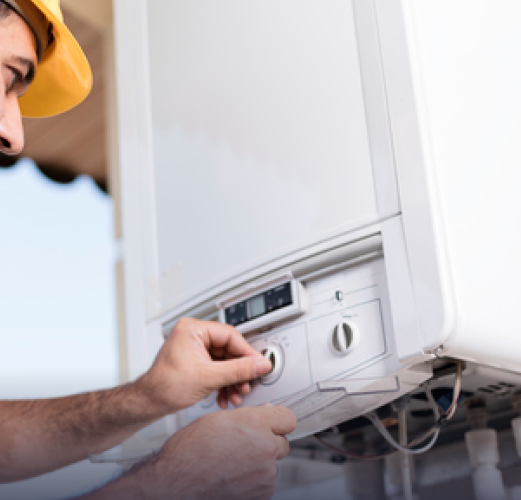
Licensed gas plumber inspecting a gas hot water unit
A licensed gas plumber inspecting a residential hot water unit. Gas systems require a licensed gas fitter for any repairs or adjustments.

The 7 Most Common Causes

  1. 1
    Pilot Light Has Gone Out (Gas Systems)

    On older gas storage units, a pilot light ignites the main burner. If it goes out due to a draught, gas interruption, or a faulty thermocouple, your system simply won’t heat. You may be able to relight it yourself by following the instructions on the unit, but if it keeps going out, that’s a sign the thermocouple needs replacing.

  2. 2
    Faulty Thermocouple or Thermopile

    This small safety device senses whether the pilot flame is lit. When it fails, the gas valve closes as a safety measure and the unit stops working entirely. A thermocouple replacement is a relatively straightforward job for a licensed gas fitter but it’s not a DIY task.

  3. 3
    Gas Supply Interrupted

    Before assuming the worst, check whether other gas appliances in your home are working. If your stove or heater is also out, the issue may be with your gas supply. Check if there’s a planned outage in your area or if the gas meter has been turned off inadvertently.

  4. 4
    Faulty or Blocked Burner

    The burner is what heats the water. Over time, burners can corrode, block with debris, or simply wear out. A blocked burner will cause your system to heat slowly or not at all. This needs to be inspected and cleaned or replaced by a gas plumber.

  5. 5
    Sediment Build-Up in the Tank

    If you have a storage tank, minerals and sediment from your water supply accumulate at the bottom over time. This insulates the water from the burner, reduces heating efficiency, and can eventually cause the tank to fail. You may notice rumbling or popping noises before the water stops heating properly.

  6. 6
    Pressure Relief Valve (PRV) Failure

    The PRV is a critical safety component that releases pressure if the system overheats. If it’s stuck open, you’ll notice water dripping from the relief valve outlet. If it’s stuck closed, the system can over-pressurise. Either way, a faulty PRV needs prompt attention.

  7. 7
    The System Has Simply Reached End of Life

    Gas hot water storage units typically last 8 to 12 years. Continuous flow (instantaneous) units can last longer with proper servicing, but they’re not immortal. If your system is ageing and repairs are becoming more frequent, it’s worth having a conversation about replacement rather than throwing more money at a failing unit.

⚠️

Important: If you smell gas anywhere near your hot water system, do not attempt to relight the pilot or inspect the unit yourself. Turn off the gas supply at the meter, leave the area, and call a licensed gas plumber immediately. Gas leaks are a serious safety hazard.

Quick Checks Before You Call a Plumber

Some hot water problems are simple to rule out yourself before picking up the phone. Run through this checklist first:

Before You Call

  • Check that other gas appliances (stove, heater) are working to confirm your gas supply is live.
  • Look at the pilot light window on your unit. Is the pilot flame visible?
  • Check your circuit breaker or fuse box. An electric fault can affect gas units with electronic ignition.
  • Look around the base of the tank for pooling water. A slow leak means the tank may be failing.
  • Check the tempering valve. If lukewarm water is coming through but not hot, the tempering valve may be stuck.
  • Look at the age of your unit. If it’s over 10 years old, replacement may be more cost-effective than repair.
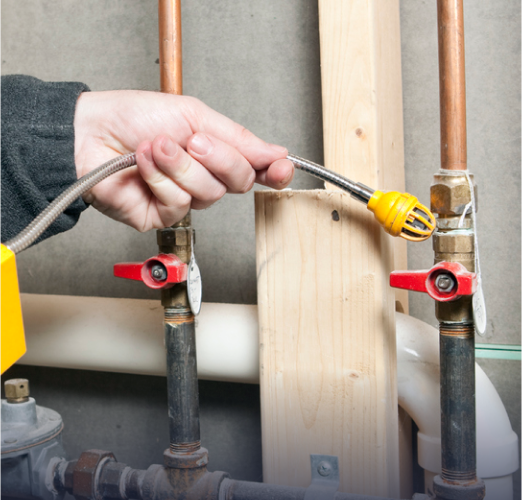
Close-up of gas pipe connections on a hot water system

Gas Hot Water vs. Electric: Does It Matter?

Yes. Gas hot water systems have components that electric systems don’t, including the pilot light, thermocouple, gas valve, and burner assembly. Any work on these gas components must be carried out by a licensed gas fitter. It’s not a legal grey area. In Victoria, unlicensed gas work is illegal and can void your home insurance.

Continuous flow gas systems (like Rinnai and Rheem instantaneous units) are common across Melbourne. These units heat water on demand and have no storage tank, but they can fail due to blocked heat exchangers, ignition faults, flow sensor issues, or gas pressure problems.

When to Repair vs. Replace

This is the question we get most often. The short answer: if the repair cost is more than 50% of the price of a new unit and your system is over 8 years old, replacement is usually the smarter investment. A new unit comes with a manufacturer’s warranty, better energy efficiency ratings, and a fresh 10+ year lifespan.

If the system is relatively new and the fault is isolated (a thermocouple, a pressure relief valve, a blocked burner), repair is almost always the right call. Our team will give you an honest assessment upfront before any work begins.

Hot Water Not Working in Melbourne? Call The Gas Doctor

We’re available 24/7 for gas hot water emergencies across Melbourne. Whether it’s a pilot light that won’t stay lit, a continuous flow unit that’s stopped firing, or a tank that’s given up entirely, we’ll diagnose it fast and fix it right.

All our gas plumbers are fully licensed and insured. We carry the parts most commonly needed for Rinnai, Rheem, Dux, Bosch, and Vulcan units, so in most cases we can complete the repair on the first visit.

No Hot Water Right Now?

We’re available 24/7 across Melbourne. Get a licensed gas plumber on the job today.

Call The Gas Doctor

The role of gas appliances in modern households cannot be overstated. They power many of our daily activities, from cooking meals to warming our living spaces. However, with this utility comes an inherent responsibility to ensure their proper functioning. The consequences of a damaged gas appliance extend beyond mere inefficiency; they can present real dangers, such as gas leaks or the release of the deadly carbon monoxide gas. It’s concerning how easily the warning signs can be missed or mistakenly brushed off, placing households at risk. Reading this blog will equip you with the knowledge to identify problems early, to save your family from harm and avoid costly damages.

The Importance of Regular Maintenance and Checks

As we increasingly rely on gas appliances for daily conveniences, their consistent upkeep becomes ever more crucial. Maintaining these appliances is not just about preserving their operational efficiency; it’s about ensuring our safety and the longevity of the equipment. Regular checks are pivotal in early detection, allowing for immediate gas appliance repair before minor glitches become a major hazard. Getting help from professional technicians ensures a meticulous evaluation, as their expertise can pinpoint even the subtlest of issues. These professionals bring more than just skill; they bring peace of mind, knowing that your appliance isn’t just functioning, but it’s operating safely. Embracing a proactive approach to maintenance, combined with expert gas appliance repair, sets the foundation for a safe and efficient household.

Common Signs of a Faulty Gas Appliance

  • Yellow or Sooty Flame: When assessing the health of a gas appliance, there are several warning signs to be aware of. One of the most prominent indicators is the colour of the flame. A healthy and efficiently burning gas flame is typically a crisp blue. In contrast, a yellow or sooty flame can indicate incomplete combustion, which means the gas isn’t being fully oxidized, leading to the release of carbon monoxide which is a colourless, odourless, and lethal gas. 
  • Pilot Light Keeps Going Out: Another concern arises when the pilot light, which should remain steadily lit, keeps going out. This can be due to a faulty thermocouple, draughts, or a short-term issue with the gas supply. Consistent problems with the pilot light not only disrupt the function of the appliance but can also pose safety risks. 
  • Increased Condensation: increased condensation in the room where the appliance is located can be linked to faulty gas appliances, as they may not vent the combustion products properly, leading to excess moisture.
  • Black Marks or Soot on or around the Appliance: Any black marks or soot on or around the appliance should be a cause for concern. This is a clear sign of carbon deposits, indicating incomplete combustion and the potential release of carbon monoxide.
  • A Pungent Smell: One of the most alarming signs of a damaged gas appliance is a pungent smell, reminiscent of rotten eggs. This smell is added to natural gas to help homeowners detect leaks, and even a faint scent should be treated with utmost seriousness.
  • Slower Cooking Times:  if you notice slower cooking times on your gas stove, it might be due to inefficiencies in the gas flow or burner problems, suggesting the appliance is not operating at its optimal level. In any of these cases, it’s crucial to consult a professional to assess and repair the issue promptly, ensuring the safety and efficiency of the appliance.

Physical Symptoms People Might Experience

  • Feeling Dizzy or Lightheaded: Damaged gas appliances, particularly those that leak carbon monoxide (CO), can have grave implications for the health of individuals within the home. One of the first symptoms people might experience when exposed to this odourless, colourless gas is a sensation of dizziness or lightheadedness. Carbon monoxide hampers the blood’s ability to carry oxygen, affecting the brain and leading to these disconcerting sensations. 
  • Breathing Difficulties: Prolonged exposure or higher concentrations of CO can result in breathing difficulties. The reduced oxygen levels in the bloodstream can make it hard to catch one’s breath and may exacerbate conditions in individuals with existing respiratory issues.
  • Nausea or Headaches:  Nausea and headaches are also common symptoms associated with carbon monoxide poisoning. These are the body’s alarm bells, signalling that something is amiss and should never be ignored. 
  • Drowsiness or Fatigue: Prolonged exposure to low levels of CO, or even short-term exposure to high levels, can lead to feelings of drowsiness or extreme fatigue. This is due to the body’s struggle to function with decreased oxygen, which saps energy and can even lead to unconsciousness in severe cases. If any of these symptoms are noticed, it is essential to ventilate the area, vacate the premises, and seek immediate medical attention.

Prevention and Safety Measures

  • Carbon Monoxide Detectors: One of the primary defences against potential dangers is the installation of carbon monoxide detectors. These detectors play a pivotal role in alerting to the presence of this lethal gas, underscoring their significance in every establishment with gas installation.
  • Good Ventilation: ensuring good ventilation in areas where gas appliances operate is paramount. Proper airflow aids in the efficient combustion of gas, preventing the buildup of harmful substances and reducing the risk of gas accumulation.
  • Immediate Response:  Lastly, in the event of suspecting a gas leak or recognizing signs of a faulty appliance, an immediate response is vital. Turning off the appliance, ventilating the area, vacating the premises, and seeking expert assistance promptly can prevent potential disasters and ensure the well-being of all involved.

Conclusion

The centrality of gas appliances in our day-to-day lives is evident, providing both comfort and convenience. Yet, the significance of their safe operation, regular maintenance, and vigilant monitoring cannot be stressed enough. 

For the health and safety of your household, don’t take chances. Reach out to our team at The Gas Doctor today at 0488 800 693 or contact us on this form. Our expertise and commitment to safety will ensure that you enjoy the benefits of your gas appliances without risks.

Gas appliances have become an essential part of our daily lives, making our household tasks quick and effortless. From cooking our meals to heating our homes, we rely heavily on gas appliances to make our lives comfortable. However, with these luxuries come some significant risks if not used correctly. Therefore, it is crucial to prioritize safety when using these appliances, because they can cause accidents and fires if not used safely and correctly. Thus, understanding their proper usage, handling, and maintenance is crucial. This blog will guide you through the essential steps to ensure safe usage of gas appliances, bringing peace of mind to your daily routine.

Understanding Gas Appliances

When it comes to keeping your home running smoothly, gas appliances play a huge role. From gas stove installation and ovens to water heaters and fireplaces. However, it’s important to make safety a priority when using them. So, how do gas appliances work? At a basic level, they use natural gas as fuel to create heat, which is then used for cooking, heating water, or warming up a room. To ensure safety, it’s essential to have regular services to check for leaks or other issues. With the right precautions in place, gas appliances can be a reliable and efficient part of your household. 

Potential Dangers of Gas Appliances

If not used correctly, gas appliances can pose a real danger to both you and your family. One of the most serious hazards is carbon monoxide poisoning, which can occur if they are not properly ventilated or maintained. This colourless, odourless gas can cause headaches, nausea, and even death if not detected in time. Additionally, gas leaks can also cause fires or explosions if not addressed properly. This is why it’s important to regularly maintain and seek professional gas appliance repair to ensure that they are functioning safely and efficiently.

Safety Measures When Using Gas Appliances

When it comes to using gas appliances, safety should be a top priority. Proper installation can make all the difference in avoiding potential hazards. You should consult with a certified professional to ensure the installation is done correctly. It’s also important to keep the area around the appliances clear of combustible materials. A cluttered space can increase the risk of fire or explosion. Taking these safety measures seriously can help provide peace of mind and prevent dangerous situations from occurring.

Actions to Take When Encountering Gas Leaks

Gas leaks can be a scary situation, but knowing how to identify signs of a gas leak can help you stay vigilant. One of the most noticeable signs of a gas leak is a distinctive odour, often described as smelling like rotten eggs. You may also hear a hissing or whistling sound near a gas appliance or line. If you suspect a gas leak, it’s essential to act quickly and take proper precautions. First, evacuate the area and call your gas company’s emergency line. Do not turn on or off any electrical appliances, as this can cause a spark and ignite the gas. Open all windows and doors to allow fresh air into the space and do not use any open flames, including matches or lighters.

Emergency Preparation

If you suspect a gas leak, immediately shut off the gas supply to your home or building. However, only do so if you can safely access the main gas valve. It’s important to remember that gas can cause explosions, so a gas-related emergency must be taken seriously. Additionally, it’s important to have a functional fire extinguisher readily available and to know how to use it. 

Conclusion

In conclusion, while gas appliances are integral to our lives, their safe and efficient use cannot be overstated. Remember, safety should always be the priority. By being vigilant and proactive, we can ensure that our homes remain safe, comfortable, and efficient places to live.

The Gas Doctor team is here to help you with any gas appliance needs at your property. Feel free to get in touch with us at 0488 800 693, or you can also use this form for additional assistance.

Gas leaks are a serious health hazard that can have long-term effects on your family’s well-being. Inhaling natural gas can cause dizziness, nausea, headaches and even loss of consciousness. It is important to be aware of the risks associated with gas leaks and take the necessary steps to protect yourself and your loved ones from potential harm. This blog post will discuss the various health hazards posed by gas leaks as well as what you should do if you suspect there is one in your home or workplace. We’ll also provide tips for preventing future problems from occurring to keep everyone safe and healthy.

Overview of the Risks Associated with Gas Leaks

Gas leaks Melbourne can pose a serious health risk to those who are exposed to them. In Australia, where natural gas is commonly used as a source of energy, it’s important to stay informed about the potential dangers of gas leaks. The main health risks associated with gas leaks include headaches, nausea, dizziness, and even death in extreme cases. Additionally, gas leaks can cause explosions and fires, which can lead to serious injury or property damage. It’s crucial to take swift action if you suspect a leak, such as leaving the area immediately and calling emergency services. By being aware of the potential risks and taking proactive measures to prevent gas leaks, you are ensuring the safety of yourself and those around you.

Symptoms of Inhaling Natural Gas

Inhaling natural gas can be a serious health risk. Symptoms of natural gas inhalation can vary and include fatigue and shortness of breath. With prolonged exposure, natural gas can also cause mental confusion, vision problems, and even loss of consciousness. It is crucial to recognize and promptly address symptoms of natural gas inhalation to avoid further health complications. If you suspect that you or someone else has been exposed to natural gas, evacuate the area immediately and seek medical attention.

What to do if You Suspect a Gas Leak

Gas leaks are a serious matter and should be taken care of as soon as possible. If you suspect a gas leak, do not delay in taking appropriate action. First and foremost, exit the area immediately and call your local gas company or emergency services. Do not turn on or off any electrical equipment, such as light switches or phones, as the spark could ignite the gas. Be vigilant and aware of any signs of a leak, such as a faint smell of sulphur or a hissing noise. It is important to remember that gas leaks are not something to be taken lightly and should always be handled by a professional. Stay safe and take action to protect yourself and your loved ones.

Tips for Preventing Future Problems from Occurring

Gas leaks can be dangerous and costly, so it’s important to take the necessary steps to prevent them from occurring in the future. One way to do this is to have your gas appliances and pipelines regularly inspected by a professional. This will ensure that any potential leaks or issues are identified and addressed before they can become a problem. It’s also important to be mindful of how you use and store gas in your home. Avoid storing flammable materials near gas appliances, and make sure that you have proper ventilation in your home to prevent gas buildup. By being proactive about preventing future gas leaks, you can have peace of mind knowing that your home is safe and secure.

It’s no secret that gas leaks can cause serious harm to both your home and your health. Numerous prevention measures can be taken to ensure your safety. One of the most crucial steps is regular gas appliance services and maintenance. In addition, installing carbon monoxide detectors throughout your home can also provide an extra layer of safety. It’s important to remember that prevention is always better than reaction when it comes to gas leaks. So, take the necessary steps to ensure your home is gas leak-free and always remember to prioritize your safety.

Hiring a licensed professional to inspect your gas appliances and repair any potential issues is key to preventing gas leaks. Our team at The Gas Doctor will gladly assist you with gas-related services to avoid leaks at your property. Contact us at 1488 800 693 or you can reach us on this form for further assistance.

During the winter months, gas heaters are an excellent way to keep your home warm and cozy. But, like all appliances, gas heaters eventually need to be replaced. If you’re thinking about replacing your gas heater, there are four crucial things that you should consider before making the switch. 

Consider the size and capacity of your new heater

Before you rush out to buy the first gas heater you find, it’s important to consider the size and capacity of your new device. A heater that’s too small won’t do the job, leaving you cold and unhappy, while one that’s too large can waste energy and cost you more money in the long run. To find the right size and capacity for your needs, you’ll need to consider the square footage of your home, the desired temperature range, and other factors that could impact your heating needs. By weighing all of these factors carefully, you’ll be able to find a gas heater that meets your needs and keeps you cozy all winter long.

Calculate the cost savings of switching to a newer gas heater

Are you tired of the high energy bills that come with your old gas heater? Switching to a new gas heater could be the answer to your problems. With advancements in technology, new models can heat your home just as well but with increased energy efficiency. This means that although the initial cost of purchasing a new one may be higher, the long-term savings on your monthly bills make it worth the investment. By calculating the cost savings of switching to a new device, you can make an informed decision that will benefit both your wallet and the environment.

Switching to a newer Rinnai gas heater can save you a significant amount of money on your heating bills. With their innovative technology and energy-efficient design, Rinnai heaters can help you cut down on your energy usage without sacrificing your comfort. Whether you’re looking to save money or reduce your carbon footprint, upgrading to a new Rinnai gas heater is a smart choice for any homeowner.

The Importance of Proper Maintenance After Installation

Installing a gas heater in your home is a great investment that can give you comfort and warmth for years to come. However, the installation process is only the beginning. After installing your new heater, it’s essential to maintain it properly to ensure its longevity and continued efficient operation. Proper maintenance after installation is important not only for the heater’s functionality but also for your safety as a homeowner. Neglecting maintenance tasks like cleaning filters or inspecting the components can lead to malfunctioning parts that can cause gas leaks or pose a fire hazard. With the correct maintenance practice, your gas heater can continue to keep you warm and comfortable for many years.

Tips on Finding the Most Reliable Service Provider For Installing or Repairing Your Gas Heater in Melbourne

When it comes to installation or finding a reliable gas heater repair near me in Melbourne, choosing the best one might be a task on its own. There are, however, a few things to look for to help you make an informed decision. First, assess the service provider’s experience and qualifications. Make sure they have the necessary licenses and certifications to handle gas heaters. Secondly, read reviews and ask for recommendations from friends or family to help you understand the quality of their service. Finally, choose a service provider who is reliable and responsive, so you can be sure that your gas heater is in good hands. With these tips in mind, you can find the most reliable service provider to install or repair your gas heater in Melbourne.

Whether you’re looking to replace your existing gas heater or trying to find the best provider for rinnai gas heater service near me in Melbourne, then look no further. At The Gas Doctor, we offer a wide range of services from installation to maintenance and repairs. With our expert technicians, the latest equipment, and experience-backed customer service, you can trust us to do the job. Call us today at 0488800693.


Fully Licensed And Insured

Our company is family-owned and operated, and we always focus on personalisation, customer satisfaction and cost-effectiveness.

Book Online Now Get Free Quote