
Why Has My Hot Water Stopped Working?
There’s no single reason a hot water system fails. Gas systems, electric systems, and continuous flow (instantaneous) units all have their own common failure points. Understanding which type of system you have is the first step to diagnosing the problem.
If you have a gas hot water system (either a storage tank or an instantaneous unit), the causes are slightly different from an electric system. At The Gas Doctor, gas hot water is one of the most common call-outs we handle across Melbourne, so we’ve seen every scenario there is.
The 7 Most Common Causes
-
1Pilot Light Has Gone Out (Gas Systems)
On older gas storage units, a pilot light ignites the main burner. If it goes out due to a draught, gas interruption, or a faulty thermocouple, your system simply won’t heat. You may be able to relight it yourself by following the instructions on the unit, but if it keeps going out, that’s a sign the thermocouple needs replacing.
-
2Faulty Thermocouple or Thermopile
This small safety device senses whether the pilot flame is lit. When it fails, the gas valve closes as a safety measure and the unit stops working entirely. A thermocouple replacement is a relatively straightforward job for a licensed gas fitter but it’s not a DIY task.
-
3Gas Supply Interrupted
Before assuming the worst, check whether other gas appliances in your home are working. If your stove or heater is also out, the issue may be with your gas supply. Check if there’s a planned outage in your area or if the gas meter has been turned off inadvertently.
-
4Faulty or Blocked Burner
The burner is what heats the water. Over time, burners can corrode, block with debris, or simply wear out. A blocked burner will cause your system to heat slowly or not at all. This needs to be inspected and cleaned or replaced by a gas plumber.
-
5Sediment Build-Up in the Tank
If you have a storage tank, minerals and sediment from your water supply accumulate at the bottom over time. This insulates the water from the burner, reduces heating efficiency, and can eventually cause the tank to fail. You may notice rumbling or popping noises before the water stops heating properly.
-
6Pressure Relief Valve (PRV) Failure
The PRV is a critical safety component that releases pressure if the system overheats. If it’s stuck open, you’ll notice water dripping from the relief valve outlet. If it’s stuck closed, the system can over-pressurise. Either way, a faulty PRV needs prompt attention.
-
7The System Has Simply Reached End of Life
Gas hot water storage units typically last 8 to 12 years. Continuous flow (instantaneous) units can last longer with proper servicing, but they’re not immortal. If your system is ageing and repairs are becoming more frequent, it’s worth having a conversation about replacement rather than throwing more money at a failing unit.
Important: If you smell gas anywhere near your hot water system, do not attempt to relight the pilot or inspect the unit yourself. Turn off the gas supply at the meter, leave the area, and call a licensed gas plumber immediately. Gas leaks are a serious safety hazard.
Quick Checks Before You Call a Plumber
Some hot water problems are simple to rule out yourself before picking up the phone. Run through this checklist first:
Before You Call
- Check that other gas appliances (stove, heater) are working to confirm your gas supply is live.
- Look at the pilot light window on your unit. Is the pilot flame visible?
- Check your circuit breaker or fuse box. An electric fault can affect gas units with electronic ignition.
- Look around the base of the tank for pooling water. A slow leak means the tank may be failing.
- Check the tempering valve. If lukewarm water is coming through but not hot, the tempering valve may be stuck.
- Look at the age of your unit. If it’s over 10 years old, replacement may be more cost-effective than repair.
Gas Hot Water vs. Electric: Does It Matter?
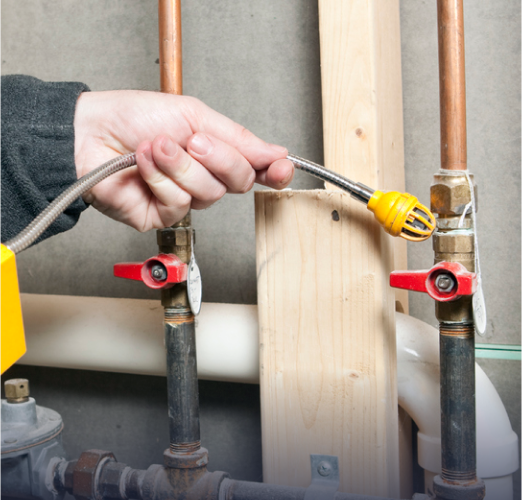
Yes. Gas hot water systems have components that electric systems don’t, including the pilot light, thermocouple, gas valve, and burner assembly. Any work on these gas components must be carried out by a licensed gas fitter. It’s not a legal grey area. In Victoria, unlicensed gas work is illegal and can void your home insurance.
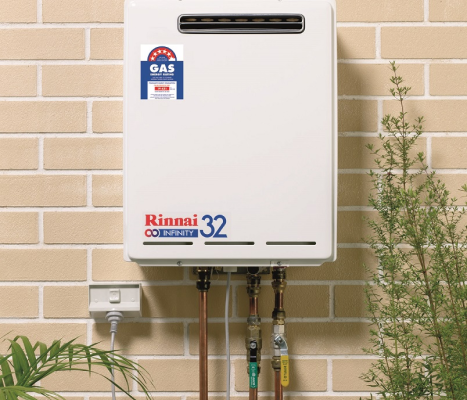
Continuous flow gas systems (like Rinnai and Rheem instantaneous units) are common across Melbourne. These units heat water on demand and have no storage tank, but they can fail due to blocked heat exchangers, ignition faults, flow sensor issues, or gas pressure problems.
When to Repair vs. Replace
This is the question we get most often. The short answer: if the repair cost is more than 50% of the price of a new unit and your system is over 8 years old, replacement is usually the smarter investment. A new unit comes with a manufacturer’s warranty, better energy efficiency ratings, and a fresh 10+ year lifespan.
If the system is relatively new and the fault is isolated (a thermocouple, a pressure relief valve, a blocked burner), repair is almost always the right call. Our team will give you an honest assessment upfront before any work begins.
Hot Water Not Working in Melbourne? Call The Gas Doctor
We’re available 24/7 for gas hot water emergencies across Melbourne. Whether it’s a pilot light that won’t stay lit, a continuous flow unit that’s stopped firing, or a tank that’s given up entirely, we’ll diagnose it fast and fix it right.
All our gas plumbers are fully licensed and insured. We carry the parts most commonly needed for Rinnai, Rheem, Dux, Bosch, and Vulcan units, so in most cases we can complete the repair on the first visit.
No Hot Water Right Now?
We’re available 24/7 across Melbourne. Get a licensed gas plumber on the job today.
Call The Gas Doctor